HARLEY-DAVIDSON® FACTORY RACING
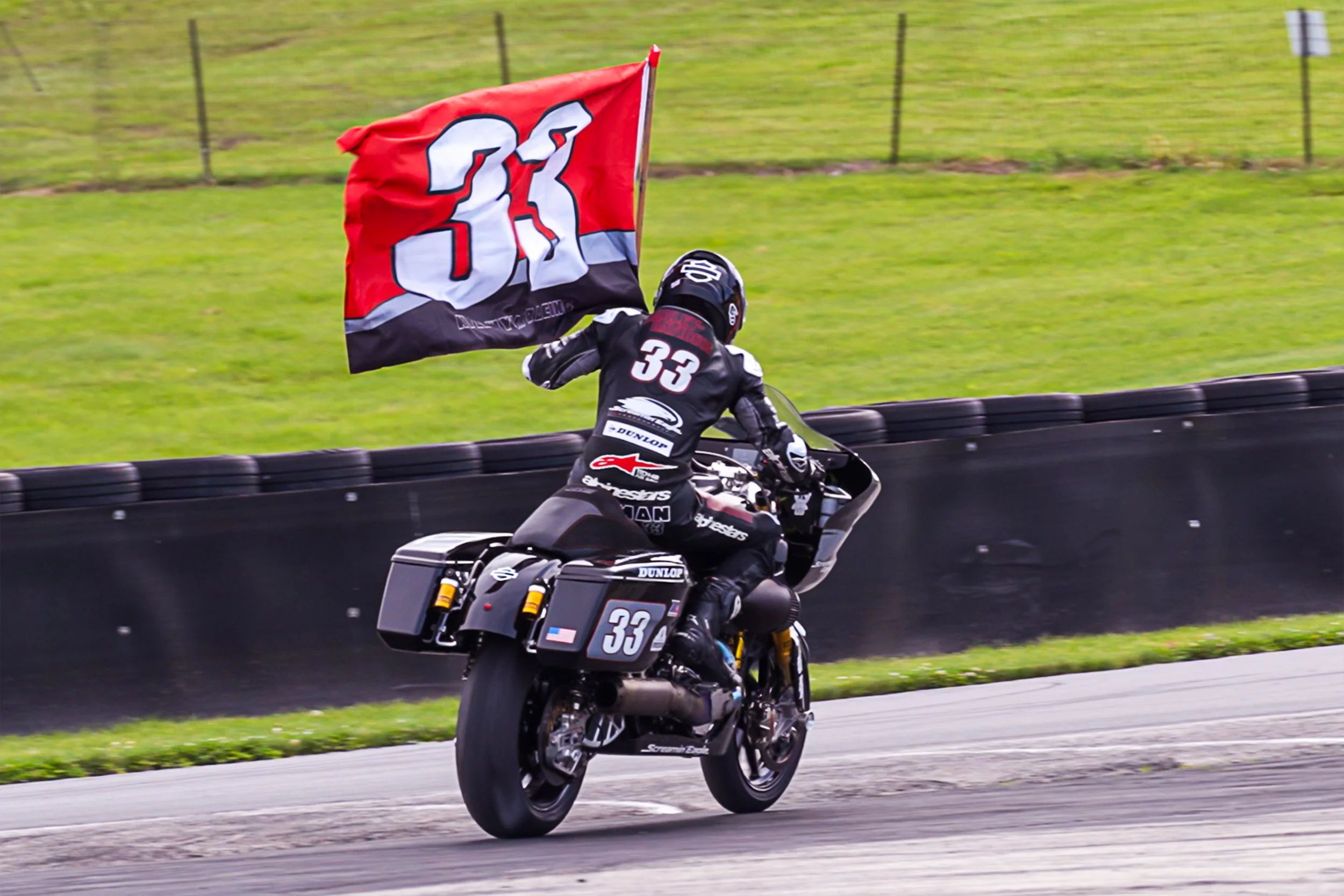
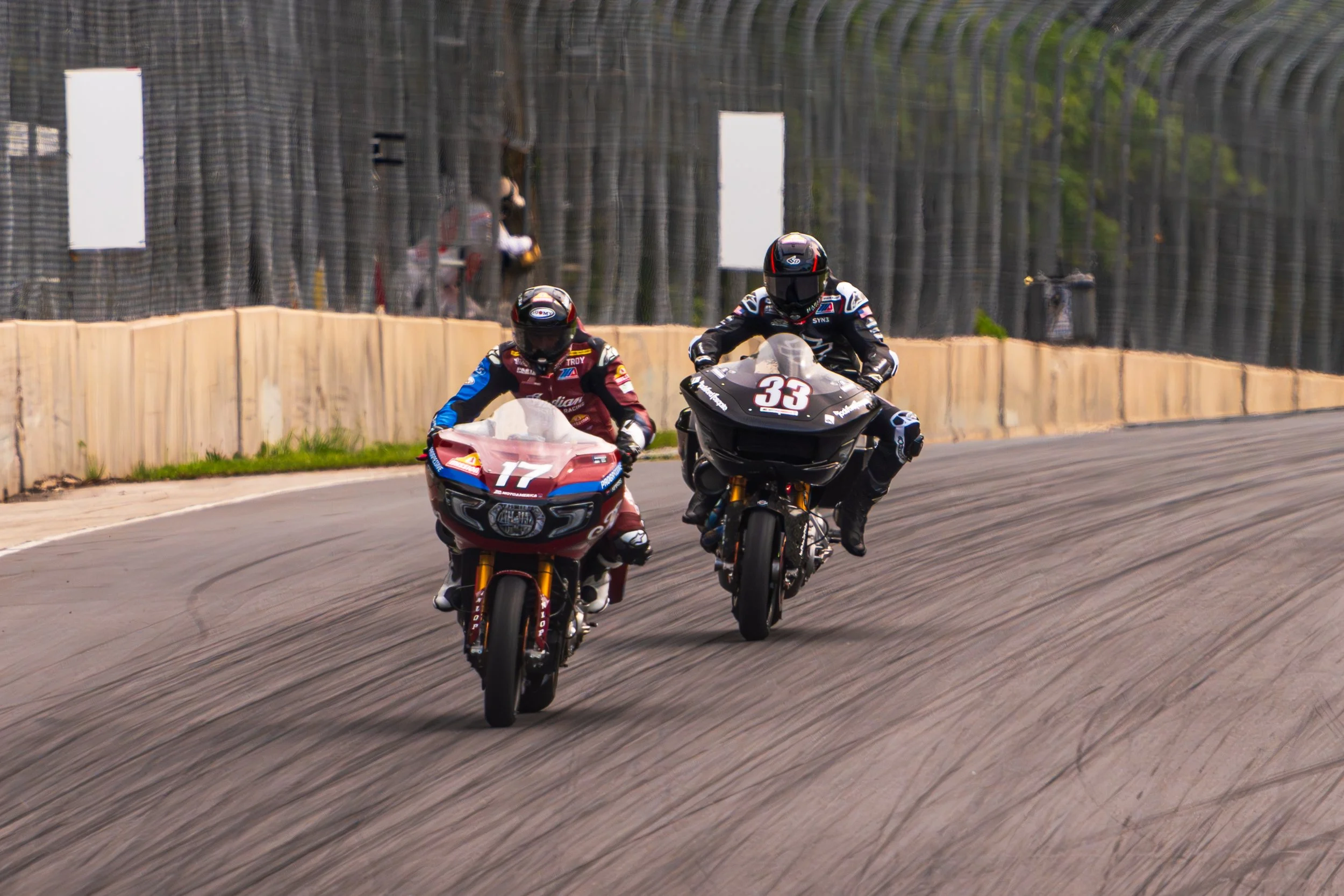
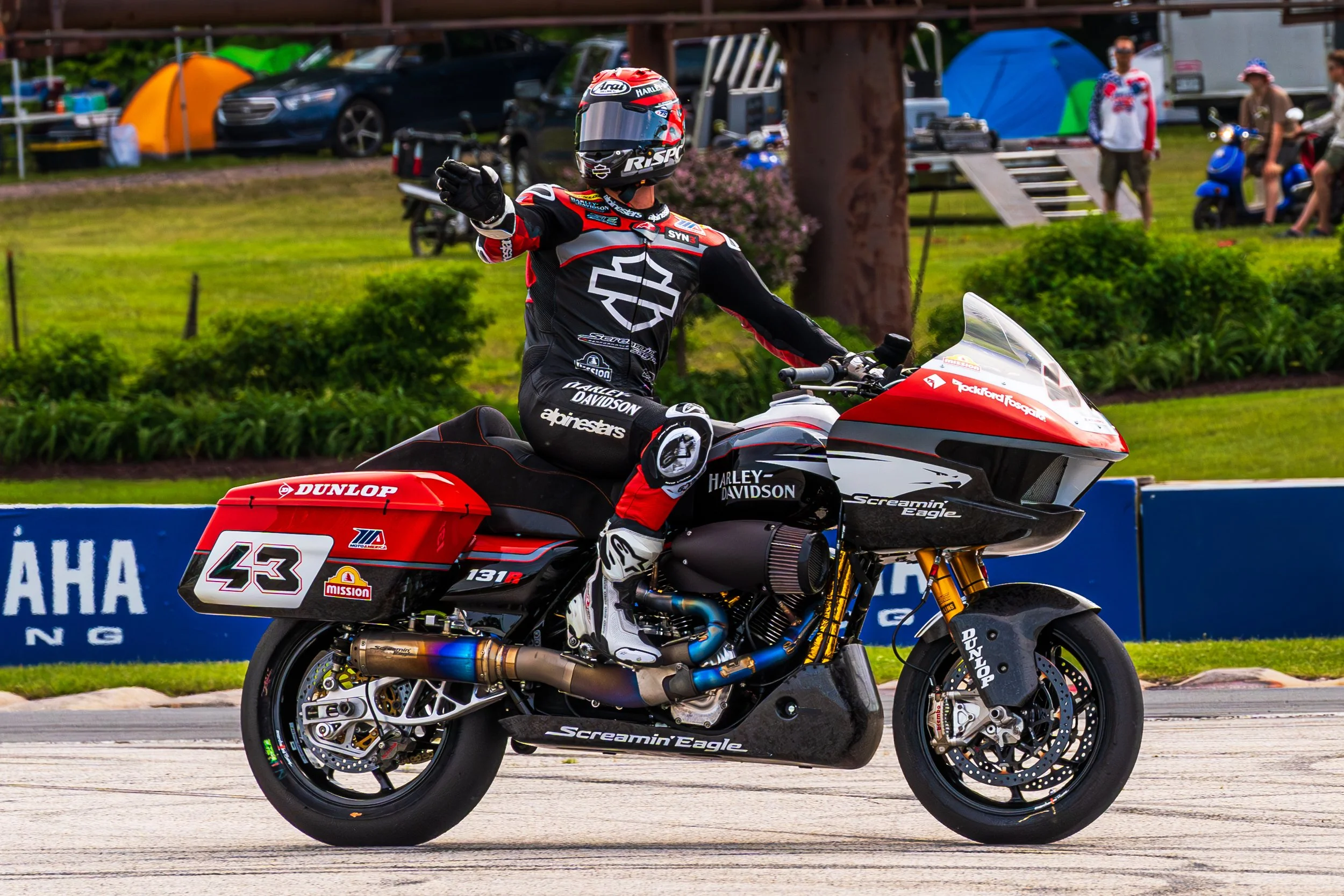
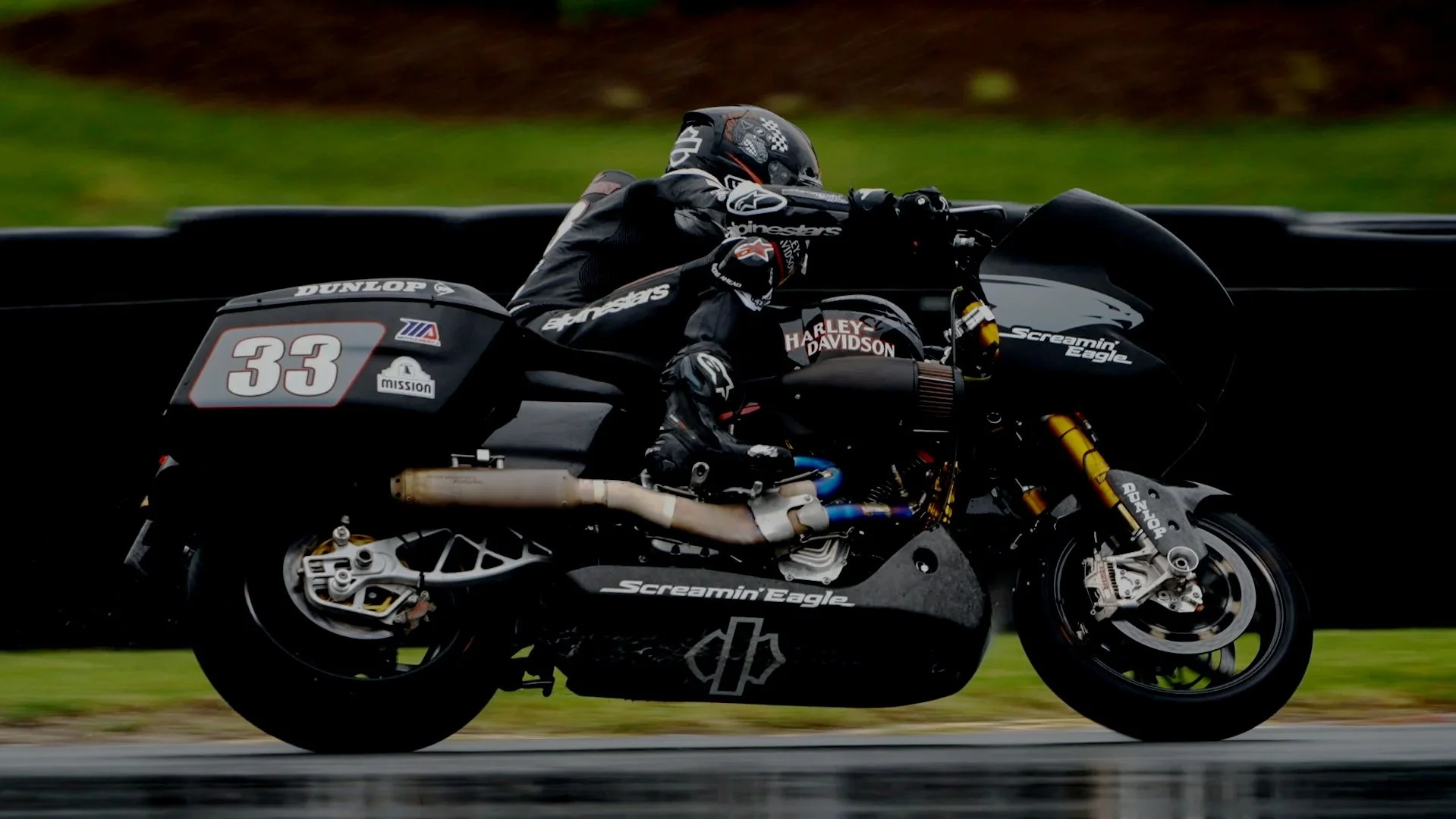
Harley-Davidson® Factory Racing competes in the King of the Baggers series, a one-of-a-kind motorcycle competition bringing together the best riders in the world to race souped-up Harley-Davidson Road Glide® motorcycles.
Challenge
The production Harley-Davidson Road Glide motorcycle weighs up to 960 lbs. The Harley-Davidson Factory Racing team identifies ways to reduce weight, increase speed, and decrease the lean angle of the large bike during turns. All of this is complex due to the bike’s touring body design, especially when compared to Superbikes built for racing at breakneck speeds.
Solution
Harley-Davidson Factory Racing engineers constantly iterate designs. Their year-round need for quick-turn parts across a variety of manufacturing processes brought them to Protolabs in search of a digital manufacturing partner that can provide both prototype and race-ready parts. The partnership between Protolabs and the team has grown significantly since the King of the Baggers began in 2021.
Outcome
Combining Harley-Davidson Factory Racing’s engineering team with Protolabs’ digital manufacturing expertise has allowed the team to apply key learnings from a Sunday race and translate that knowledge into a new part design. The team can prototype, test, iterate, and order the final part using a race-ready lightweight material—all before the green flag drops the following weekend.
Quick-turn Machining for Post-Crash Competing
King of the Baggers riders race rain or shine. As you might expect, bad weather creates several on-track challenges. With riders handling the 620 lb. bike at high speeds in tight turns, hydroplaning and crashes are common. Finishing the race in even the worst conditions is paramount for the season-long points race, as failing to cross the finish line—even in last place—results in a steep slide down the leaderboard.
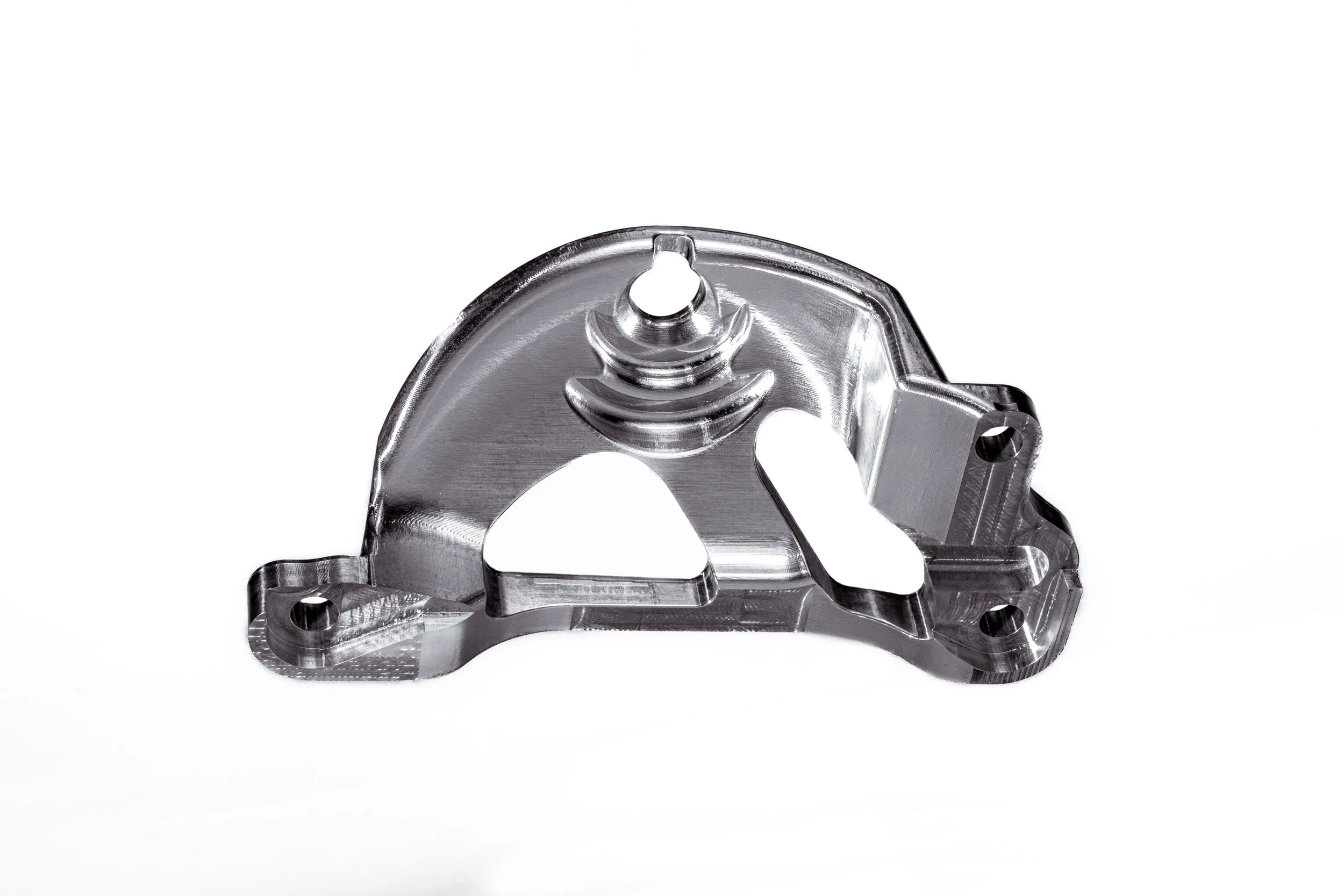
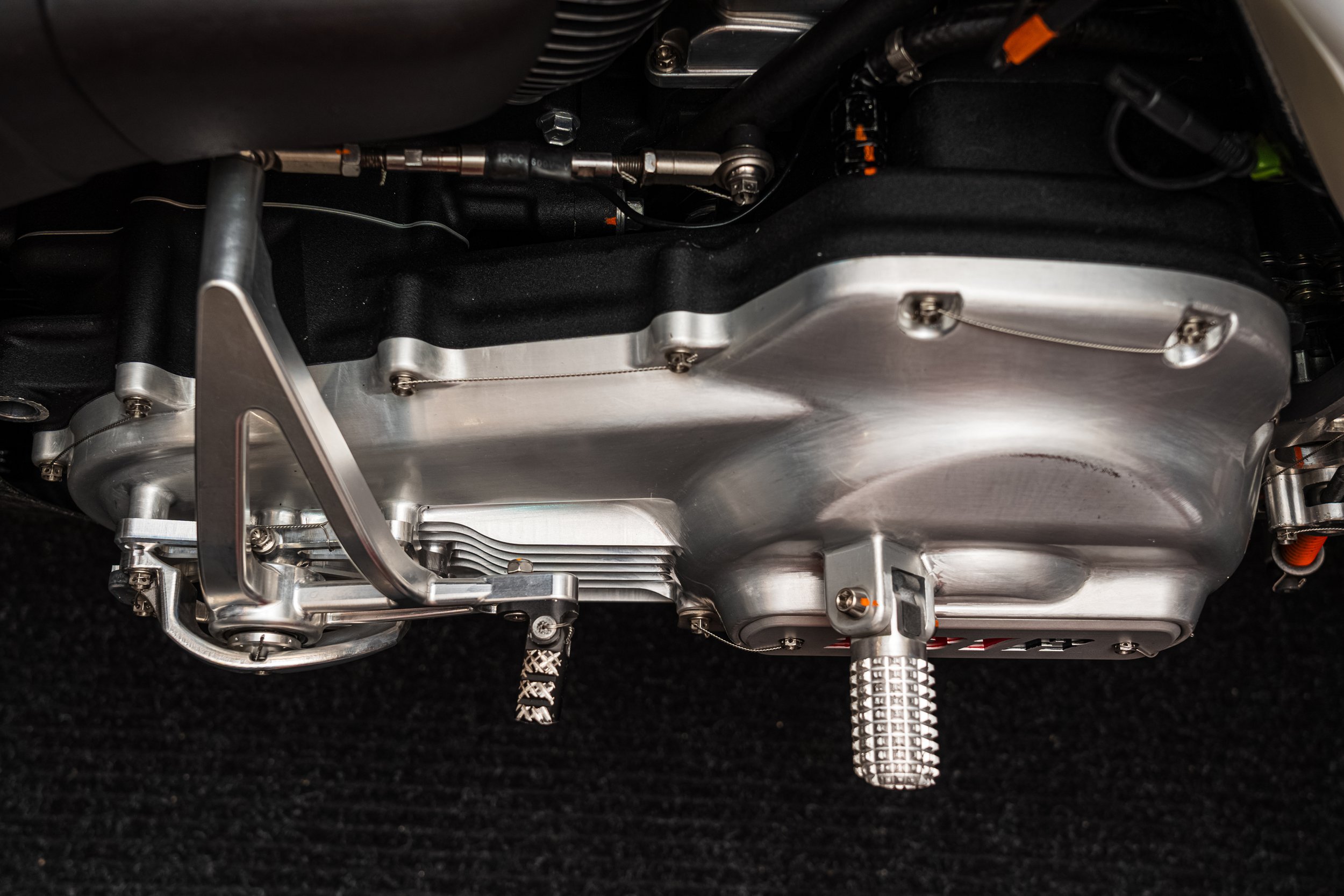
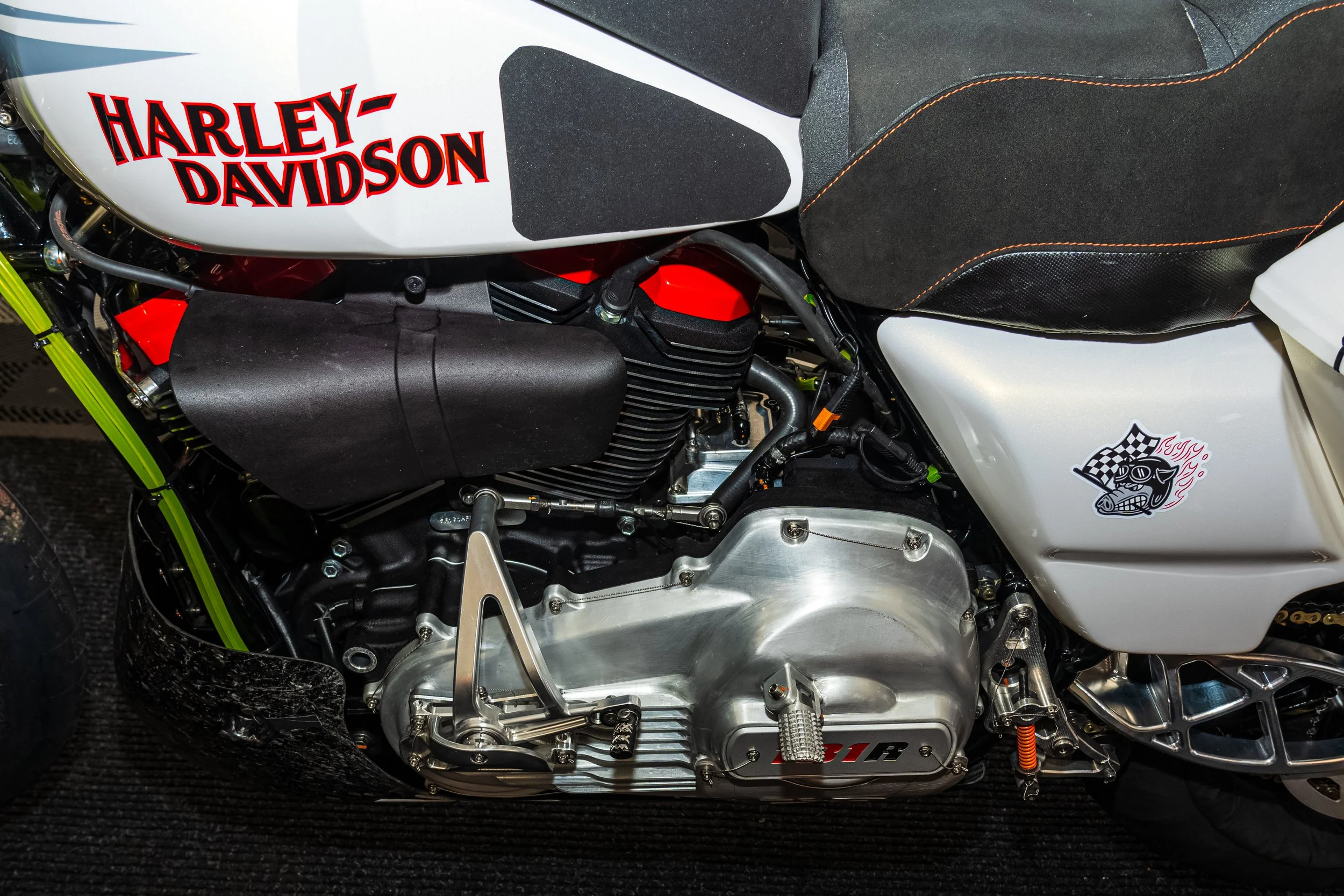
When a bike does go down, protecting critical parts from damage allows riders to continue competing. The shift assembly tops that list as it is especially susceptible to damage due to its position on the bike’s left side.
With a rainy forecast for the final race of the season and a top spot in the standings on the line, Harley-Davidson Factory Racing engineers designed a shift skid that Protolabs machined and delivered in two days. The part built to protect the shift assembly is intended to take the brunt of any damage on the left side. In the end, the part went on to play a critical role, not only in the final race but also moving forward, allowing riders to continue competing for precious points throughout the season.
3D-Printed Exhaust Translates to Tight Turns on the Track
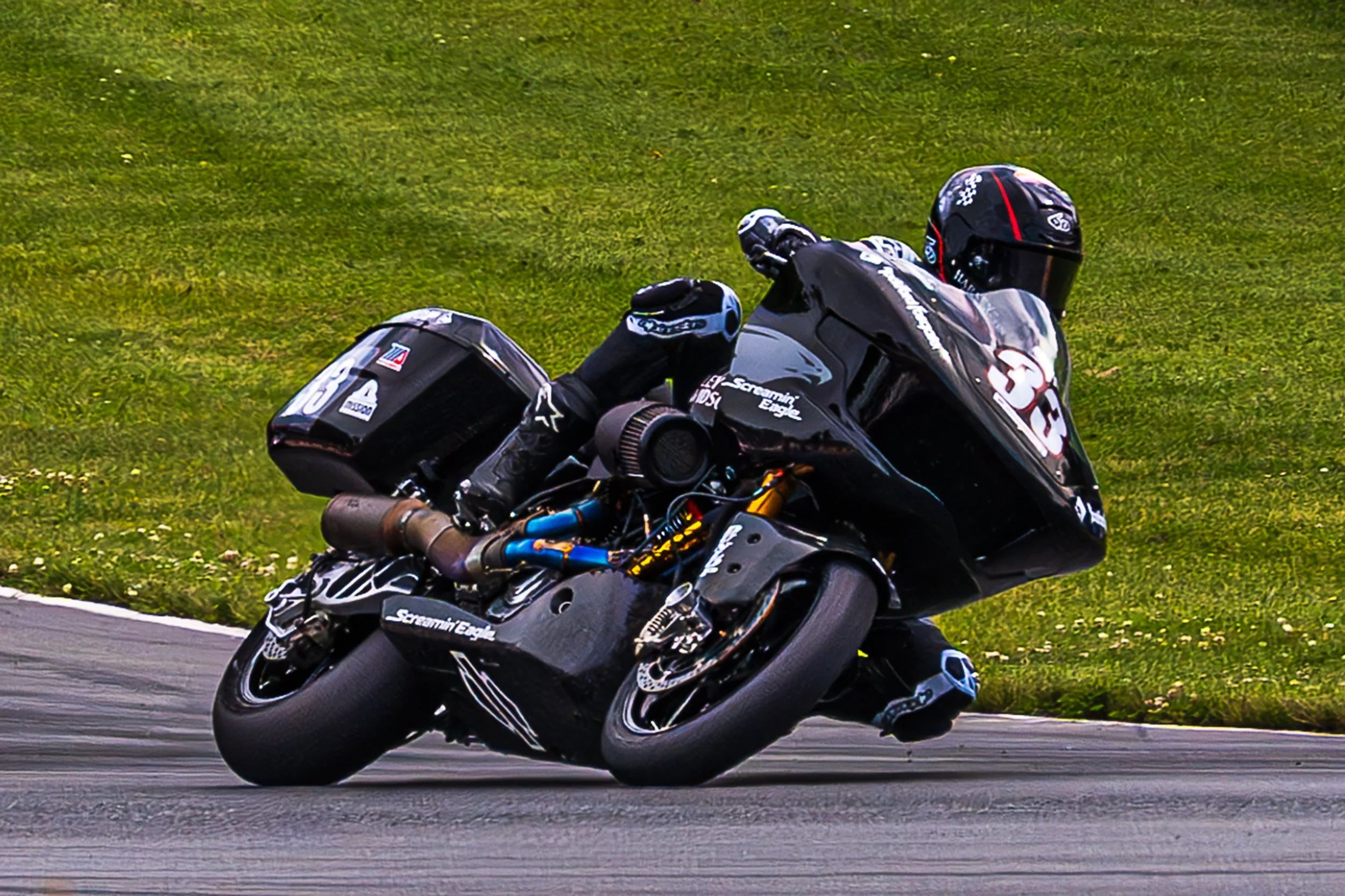
Tight turns on the track are pivotal to the team's success. Just one-half degree of extra lean angle during turns can reduce track time by about 1/10 of a second. With some racetracks sporting as many as 14 turns in a single lap, the benefits of increased lean angle are clear.
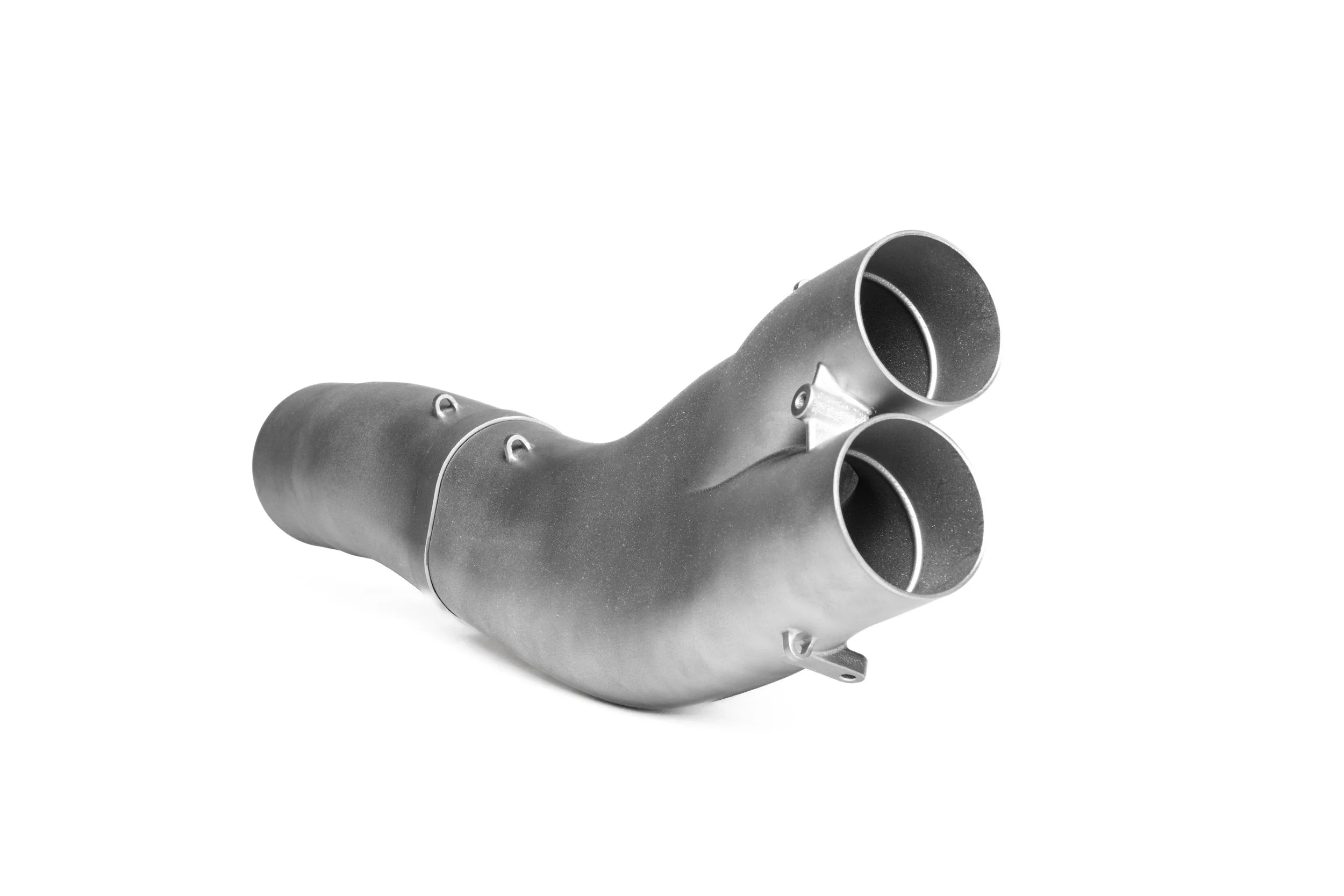
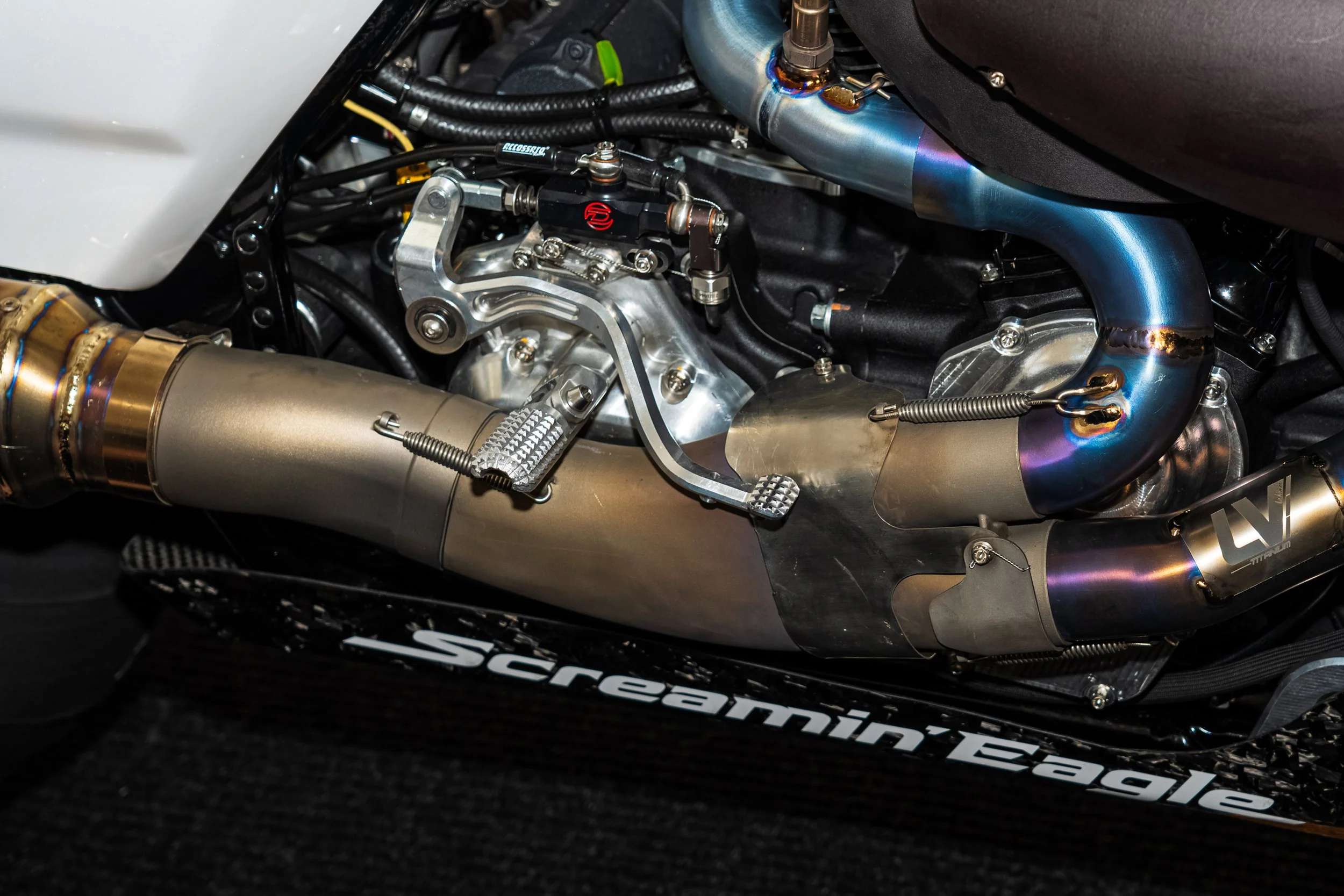
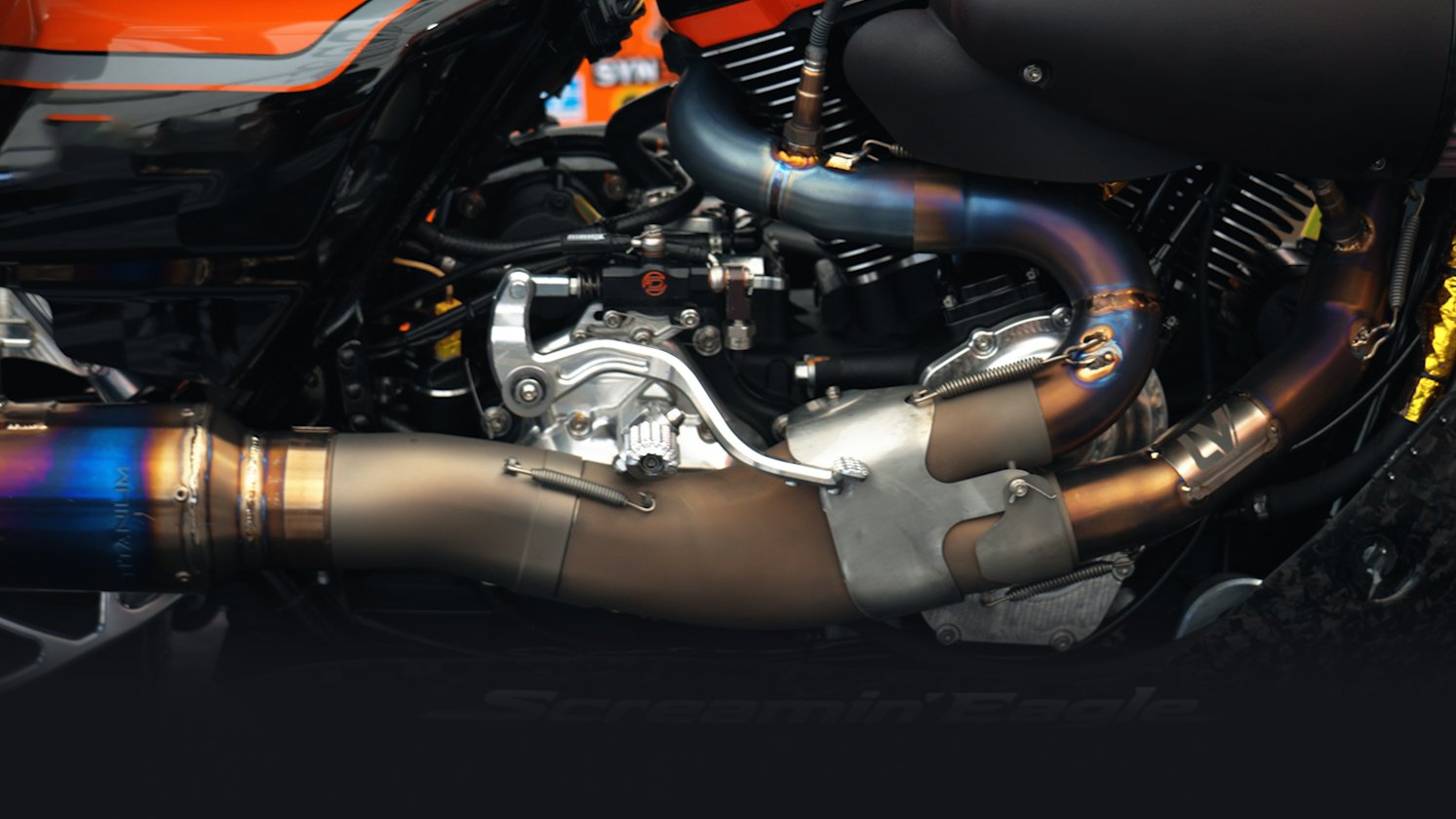
To that end, Harley-Davidson Factory Racing engineers constantly evaluate how they can modify parts on the bike to add extra lean angle, which can help maintain performance and comfort for the rider. The exhaust components on the right side of the motorcycle offered the best potential for improving lean angle, so the team turned to the design freedom of metal 3D printing at Protolabs to see what is possible.
The result was an organically designed exhaust that tucks in closer to the bike, ultimately allowing Wyman and Rispoli to ride closer to the ground on right-hand turns.